

70 Years of Science and Technology at IUH: Building and Development
(SMIA) - Seventy years of building and development at Industrial University of Ho Chi Minh City (IUH) is also a journey of knowledge being accumulated, transferred, and continuously innovated. From a technical training institution focused on practice and vocational skills, the University has gradually developed its research capacity, mastered technology, expanded international publications, transferred research results, and built an innovation ecosystem.
Looking back on that journey, it is clear that scientific research at IUH was not formed apart from the University&sharp39;s traditions. The foundation of today&sharp39;s applied science was nurtured by the very spirit of learning coupled with practice, strong in theory and solid in skills, solving real-world problems — a distinctive feature of IUH&sharp39;s education across generations.
From a tradition of skilled craftsmanship to a foundation of applied science
In the earliest stages, when the central task was to train technical staff and skilled workers for production, the University&sharp39;s professional activities were closely tied to practice, equipment, machinery, and technology. Research at that time arose first from the need to improve teaching, refine practical models, and solve technical problems emerging from real production. It was precisely that environment that shaped IUH&sharp39;s distinctive strength: practical capacity and vocational skills. That very foundation created the premise for IUH to gradually shift from vocational skills training to training high-quality human resources, while developing application-oriented scientific research.
From mastering technology to creating knowledge
Along with the University&sharp39;s upgrading and development, scientific research activities became increasingly well organized. From projects serving teaching, textbook compilation, and technical innovations, research gradually expanded to larger-scale scientific tasks, scientific publications, intellectual property, and research serving enterprises. This marked an important shift: from practical capacity and mastery of equipment to the capacity for research, improvement, and technological innovation.
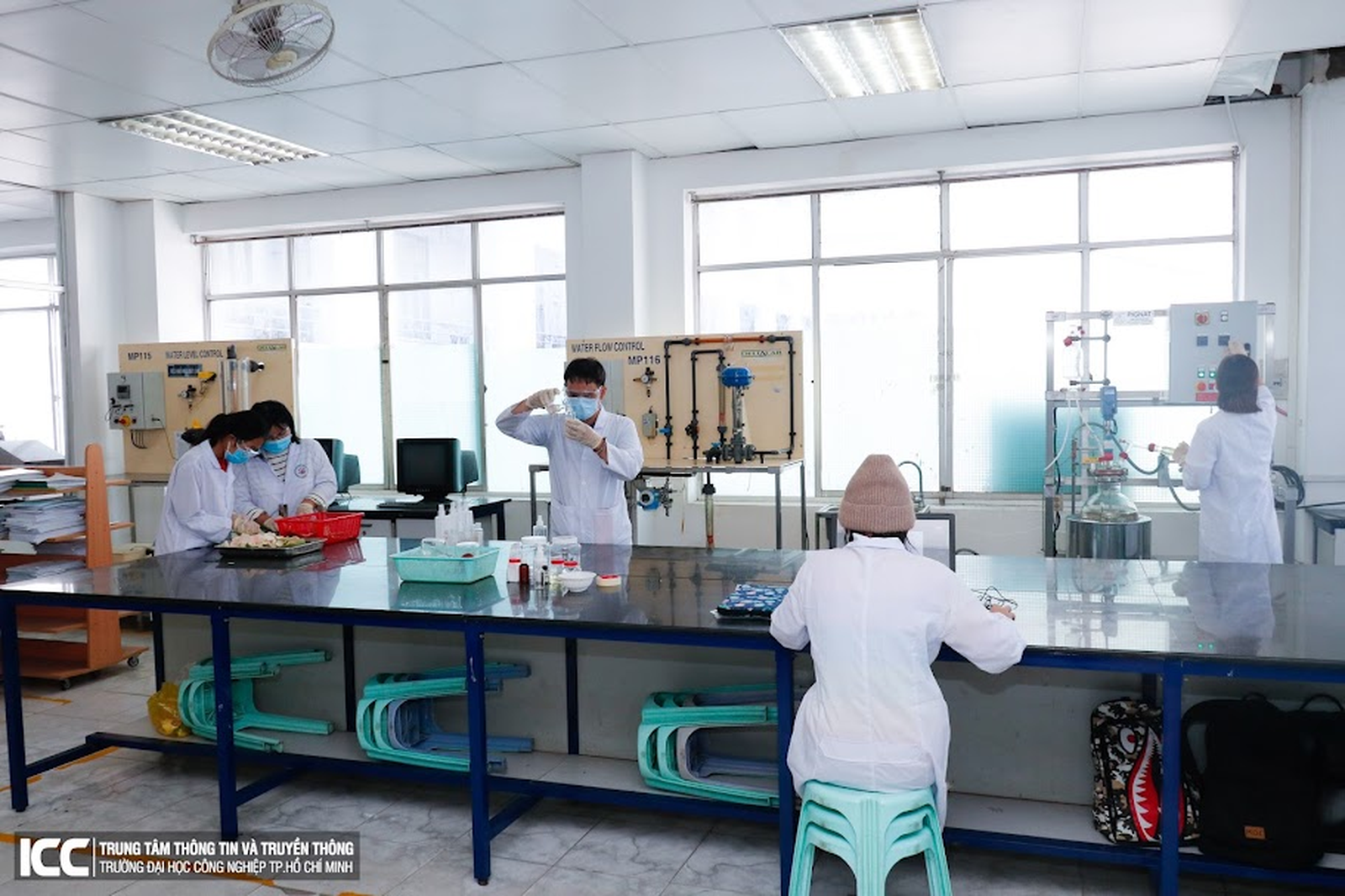
Through the process of university autonomy, IUH gradually perfected its science management mechanisms and policies encouraging research and international publication, formed research groups by field, and expanded cooperation with enterprises, research institutes, and universities at home and abroad. After 2019, the University focused on developing a science and innovation ecosystem, in which research, international publications, research groups, intellectual property, technology transfer, and international cooperation became increasingly interconnected. By 2025, IUH maintained 05 strong research groups and 14 potential research groups, forming academic nuclei capable of leading specialized and interdisciplinary research directions. That same year, the University&sharp39;s faculty and scientists published 896 papers in the Web of Science and Scopus systems, of which more than 44% appeared in Q1 and Q2 journals.
Putting research results into practice
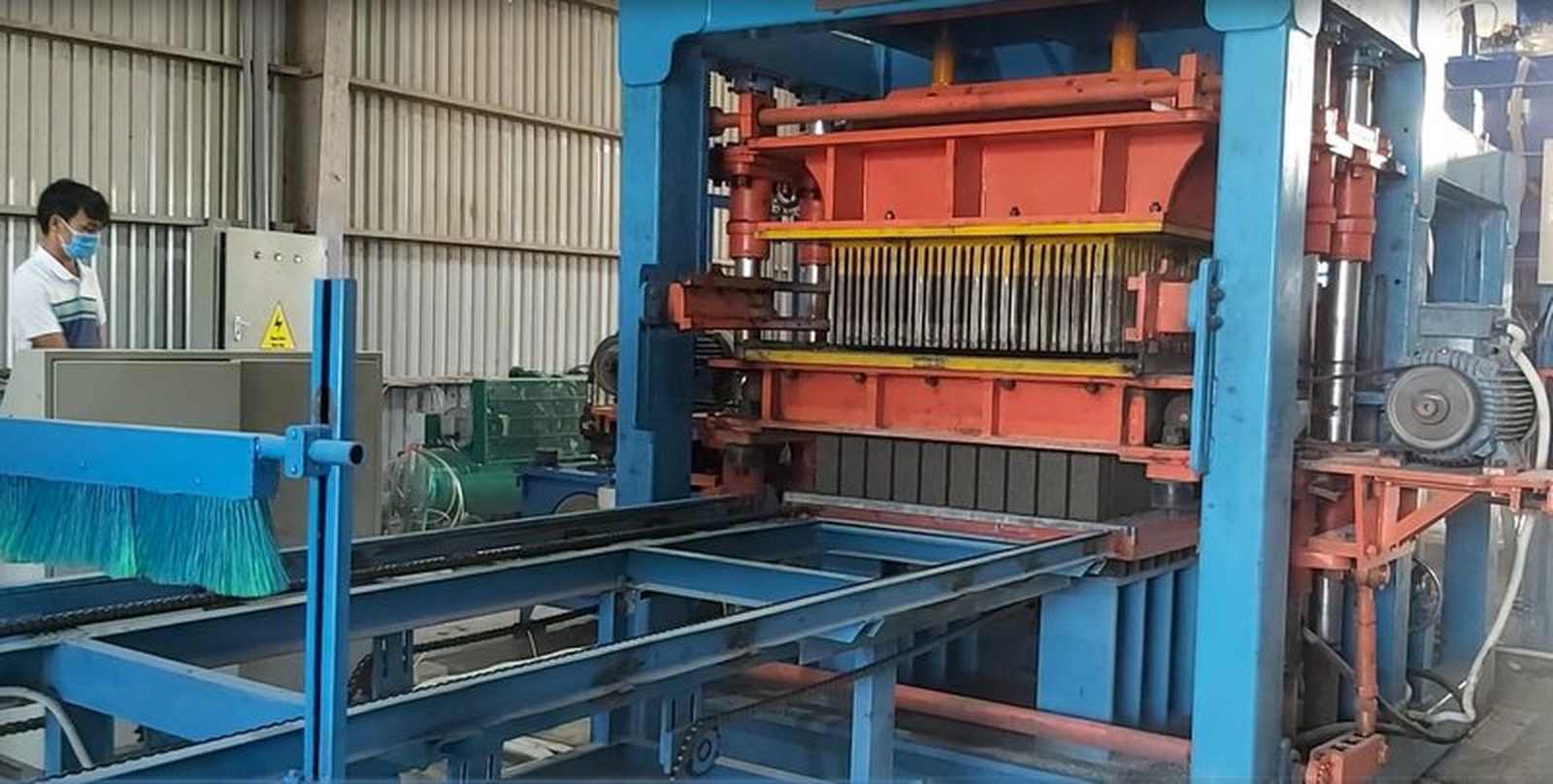
Technology transfer today is the continuation of that spirit of mastering technology at a new level: not only operating technology but also researching, improving, and creating it. Many of IUH&sharp39;s research products have been transferred to enterprises and the community. In mechanical engineering and automation, a non-fired brick pressing line was transferred to Duc Thanh Technology Investment Joint Stock Company; a livestock feed bagging line was transferred to De Heus Company (the Netherlands).
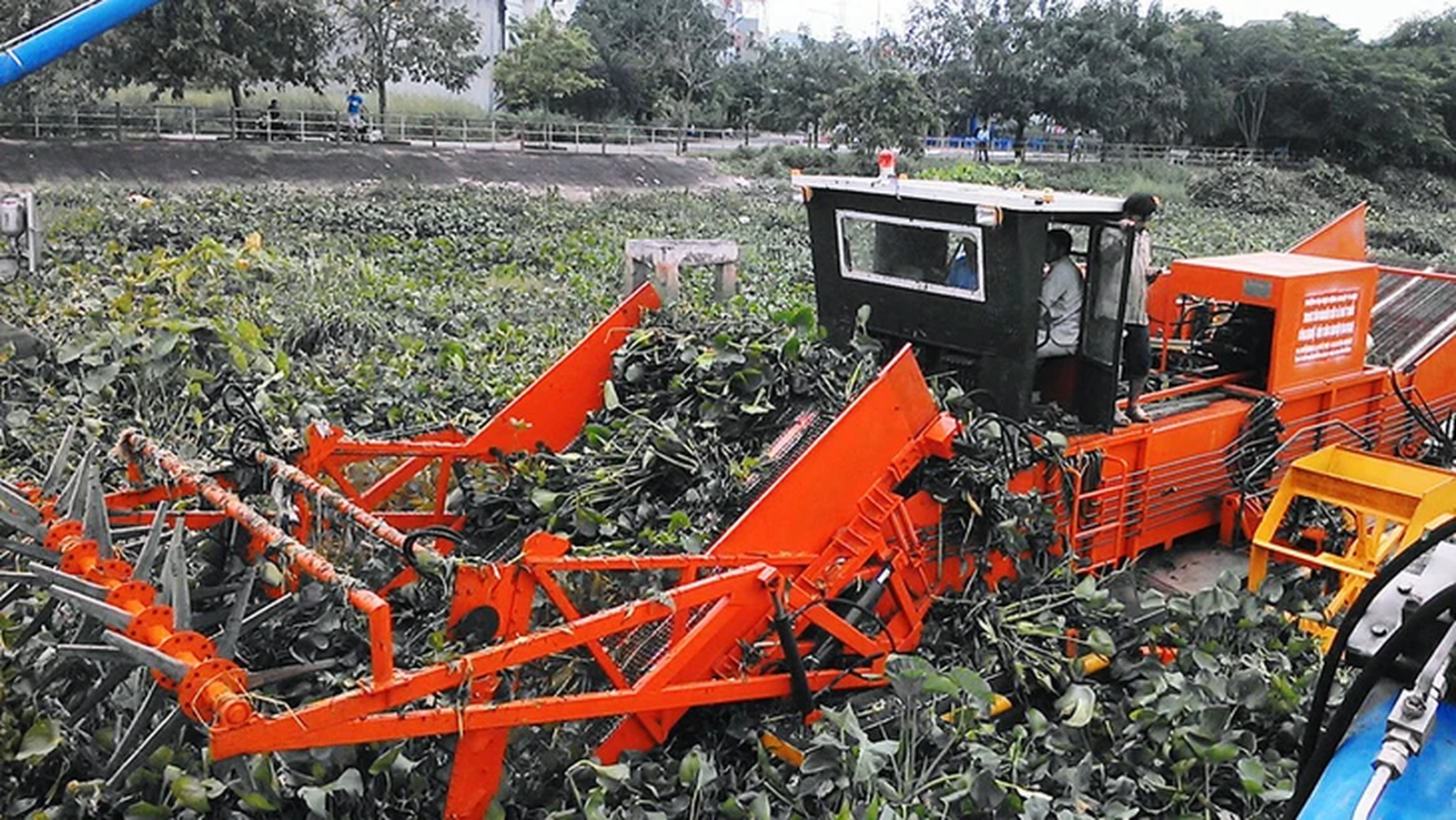
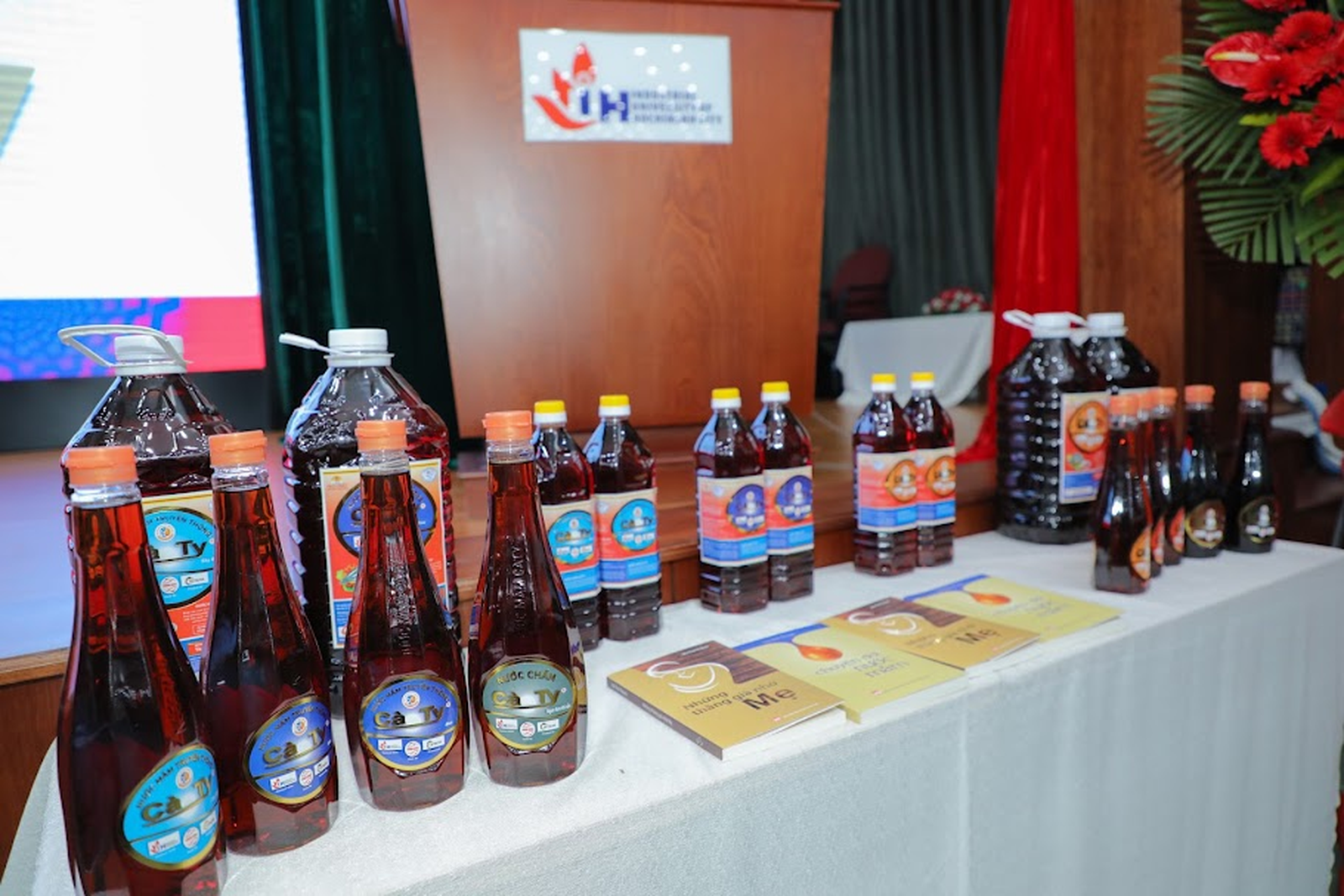
In biotechnology and the environment, beneficial microbial products were transferred to Green Bio Clean Technology Company; a machine for cutting and collecting water hyacinth on rivers was transferred to U Minh Thuong National Park. In food technology, IUH collaborated with Thuan Hung Fish Sauce Manufacturing Co., Ltd. to research and develop Ca Ty fish sauce, contributing to improving the quality and commercial value of a local product. These products span different fields but share one thing in common: research begins with real-world problems and its results ultimately return to serve practice. That is also the continuation of the applied identity formed in the University&sharp39;s earliest stages.
From research to innovation and participation in the global science network
In recent years, IUH&sharp39;s scientific journey has continued to expand, from research and transfer to innovation and entrepreneurship. The InnogreenLife competition, held since 2021, has gradually built an environment for students to develop ideas, receive expert advice, connect with enterprises, and refine business models. Together with the IUH Innovation and Startup Festival and product introduction activities, the University is steadily creating a space where scientific research, technology, and the entrepreneurial spirit develop together.
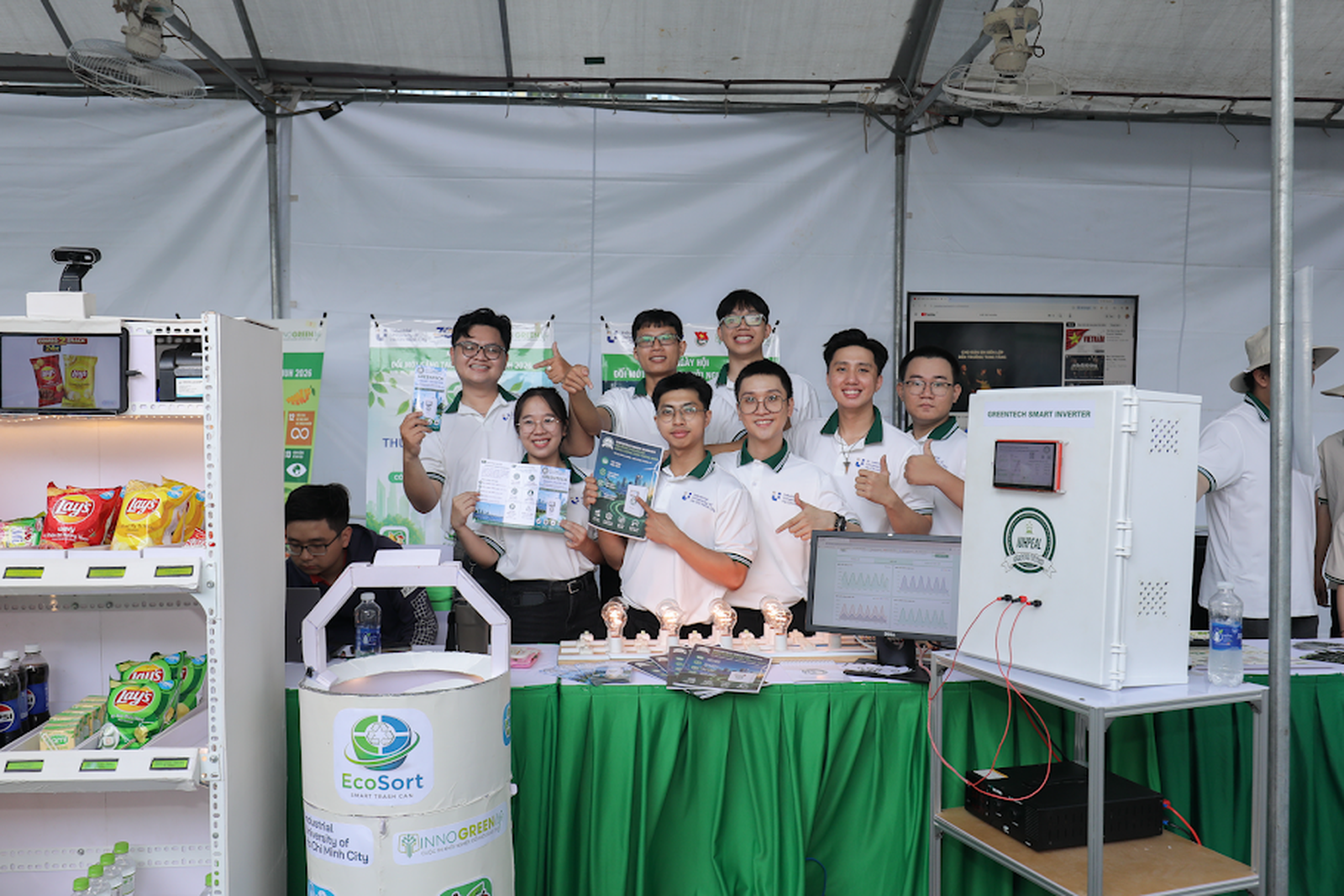
Alongside strengthening its internal capacity, IUH has increasingly expanded its research space through international cooperation. To date, the University has established a cooperation network with more than 120 universities, research institutes, enterprises, and scientific organizations in over 30 countries and territories. From the hands of skilled workers to the minds of scientists, from practice workshops to laboratories and global research networks, that 70-year journey has created a distinctive character for IUH science — science rooted in practice, matured through research, and oriented toward practical values for enterprises, the community, and the nation.



Comments
Your comment will be reviewed before posting. Please type in proper Vietnamese with diacritics.